
Remote recording is here to stay. But “remote” doesn’t mean low quality.
Too many videos still look like rushed calls (bad lighting, unclear audio, weak delivery). And the result? Your message gets lost before it even lands.
If you want remote footage that feels polished, intentional, and aligned with your brand, you need more than just a laptop. You need a simple system that works every time.
Here’s how to do it right.
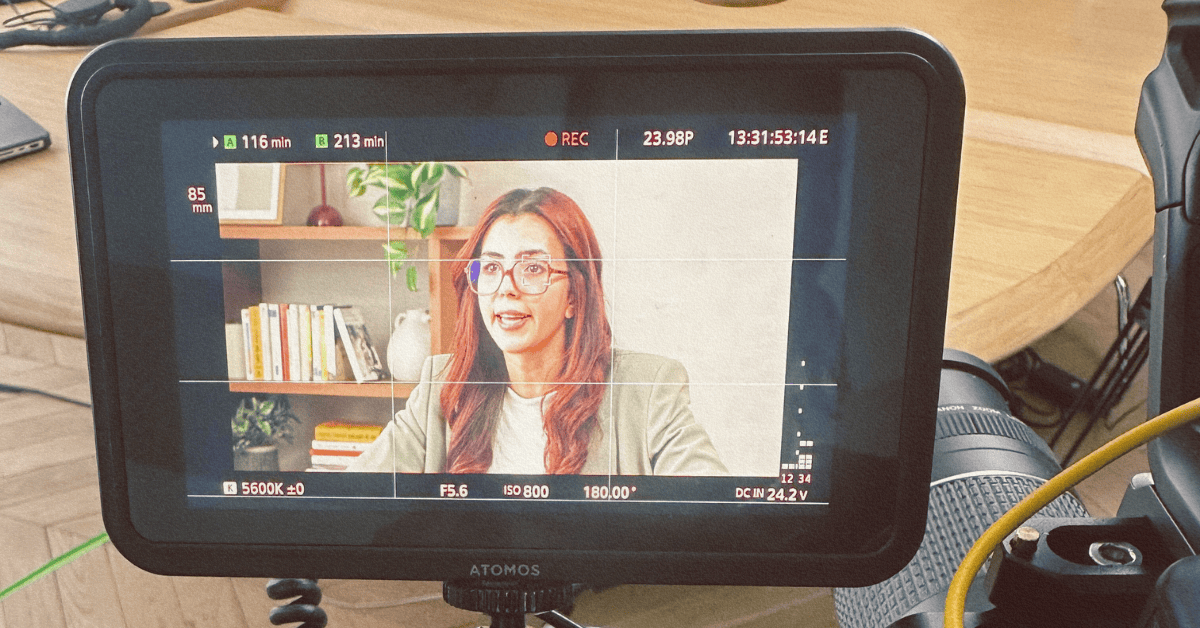
Most remote recordings fail because people rely on built-in laptop cameras and microphones. That setup is convenient, but it’s not enough for professional video.

Use plug-and-play gear. It should be easy to set up, but strong enough to deliver clear results.
A basic remote setup should include:
This small upgrade makes a big difference. You don’t need a full studio. Just the right essentials.
Want your team to look sharp from anywhere? 3Motion prepares and ships remote kits that are simple to use and built for quality.

Lighting is one of the fastest ways to improve or ruin a shot. Natural light helps, but it’s not always reliable.
Face a window for soft light, and use a small LED light to keep it consistent.
Here’s what we always check:
Good lighting doesn’t need to be complicated. It just needs to be intentional.
Want every remote shot to look clean and consistent? 3Motion guides your team so they show up ready, lit, and camera-ready.
If your audio is bad, nothing else matters. People will tolerate average visuals, but not unclear sound.
Use an external mic and wear headphones. This alone solves most audio issues.
To keep audio clean:
Clear audio builds trust. Poor audio breaks it instantly.
Need audio that sounds clean and professional every time? 3Motion handles setup, testing, and backups so nothing gets lost in the recording.
Even with the right setup, a remote shoot can fall flat without proper direction. People need guidance to feel comfortable and deliver naturally.
Spend time warming up your speaker. A few minutes upfront leads to stronger takes.
A well-run session includes:
Direction makes the difference between “good enough” and actually usable content.
Want better delivery and smoother edits? 3Motion directs every remote session so your team shows up confident and prepared.
Remote video is now part of how teams communicate. But quality still matters. If your video looks rushed or unpolished, your message loses impact.
Always do a quick test run before recording. A few minutes of prep saves hours of fixing later.
At 3Motion, we treat remote shoots like real productions. Clear setup, strong direction, and consistent quality no matter where your team is recording from.
Ready for remote videos that look sharp, sound clean, and feel on-brand? Let’s move. 3Motion makes remote production simple, polished, and effective.
Remote recording is here to stay. But “remote” doesn’t mean low quality.
Too many videos still look like rushed calls (bad lighting, unclear audio, weak delivery). And the result? Your message gets lost before it even lands.
If you want remote footage that feels polished, intentional, and aligned with your brand, you need more than just a laptop. You need a simple system that works every time.
Here’s how to do it right.
Most remote recordings fail because people rely on built-in laptop cameras and microphones. That setup is convenient, but it’s not enough for professional video.