
Choosing a video production company is a little strange when you think about it.
You watch a beautiful reel. You scroll through a few projects. Maybe you recognize some of the brands they've worked with. Everything looks great.
And then you're somehow supposed to decide whether you want to trust these people with your brand, your customers, your executives, your budget, and possibly that one person on your leadership team who absolutely does not want to be on camera.
That's a pretty big leap.
Because a portfolio can tell you whether a production company knows how to make a good-looking video. It can't tell you what it will actually be like to make one with them.
So, what should you look for when choosing a video production company?
Start with the portfolio, absolutely. Then look beyond it.
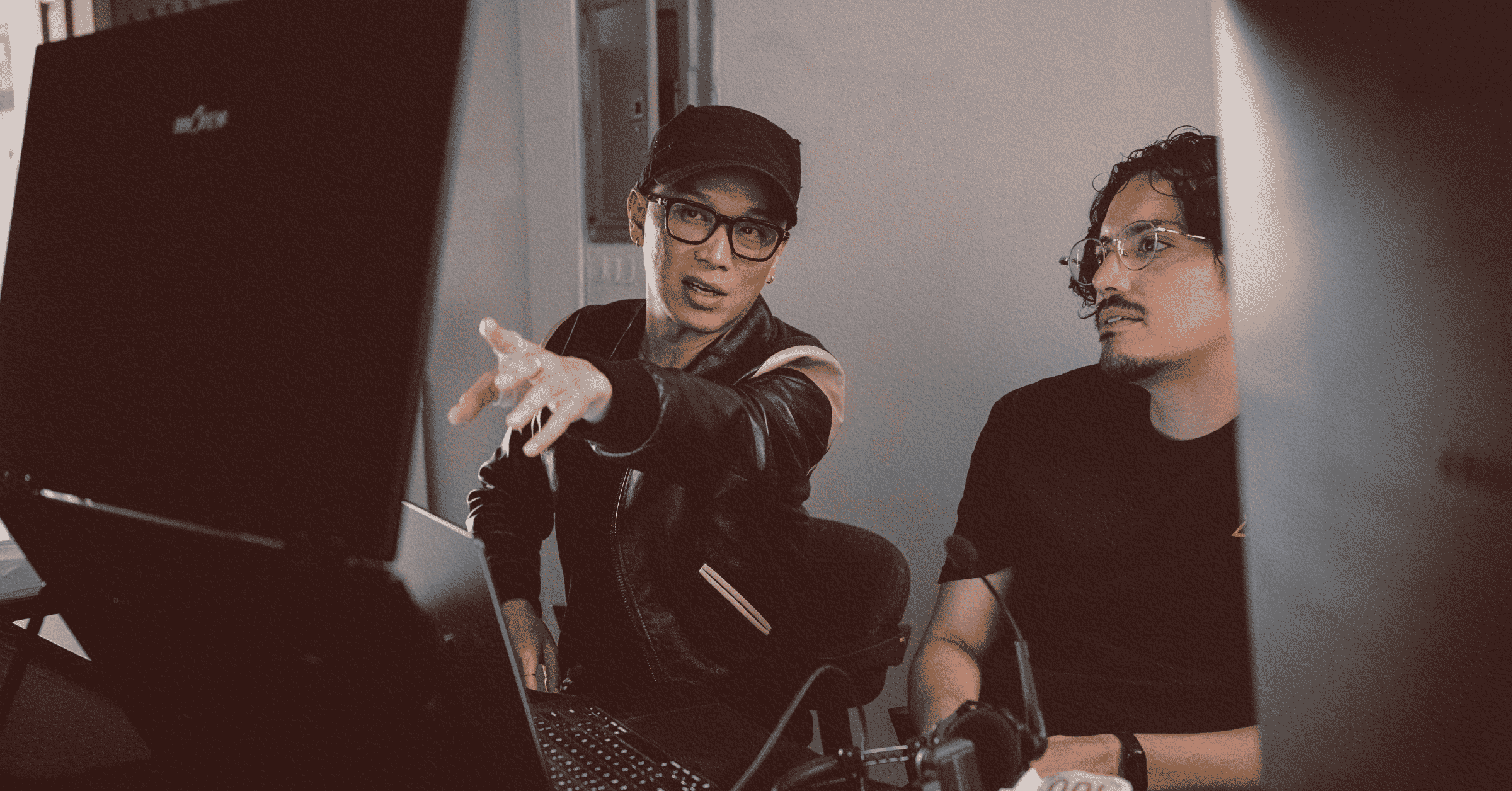
One of the easiest ways to learn about a video production company happens before anyone picks up a camera.
Listen to their questions.
Are they immediately talking about shoot dates, locations, cameras, and deliverables? Or are they trying to understand why you're making the video in the first place?
A good production partner should want to know what you're trying to accomplish, who needs to see the video, what that audience already knows, what you want them to understand or feel afterward, and where the video will eventually live.
Because "We need a video" isn't really a strategy.
It's a starting point.
Sometimes the video you initially had in mind is exactly what you need. Sometimes, after talking through the goal, you realize there's a much better way to tell the story.
That's why the conversation before production matters so much.

Ask a potential video production company how they would approach your project before asking what equipment they'll use.
You're not testing them for the "right" answer. You're listening for how they think.
Do they immediately prescribe something? Or do they ask enough questions to understand the problem first?
That will tell you a lot about the kind of relationship you're about to have.
Looking for a team that starts with your story before talking about the shoot? Let's talk about what you're actually trying to accomplish.

Yes, we're telling you to look at the portfolio.
We said more than the portfolio, not ignore the portfolio entirely. We're not completely unhinged. 😄
But instead of simply asking, "Do I like these videos?" look a little deeper.
Do all their videos look exactly the same?
Or can you see that the approach changes depending on the client, audience, and story?
A fintech company explaining a complicated product shouldn't necessarily look or sound like a founder telling the story of why they started their business. A customer testimonial shouldn't feel like a commercial with a customer awkwardly inserted into it. And an internal training video has a completely different job from a brand film.
Good production has a recognizable level of craft.
Good storytelling leaves room for the client to be recognizable.
That distinction matters.
You aren't hiring a production company so your brand can look like theirs. You're hiring them to help your brand look more like itself.
When reviewing a production company's work, don't only watch their flashiest project.
Look for range.
Look at testimonials. Explainers. Interviews. Brand stories. Corporate videos. Educational content. If they work across different industries, look at how they adapt.
Then ask yourself: Can I see the client in this work, or mostly the production company?
There's no single visual style that makes a production company right for you. What you're really looking for is evidence that they know how to find the right approach for different stories.
Your video should feel like your brand, not a copy of somebody else's. Let's find the way your story should move.
This part isn't nearly as glamorous as the showreel.
It may also save your sanity.
Once you hire a video production company, what actually happens?
Who develops the concept? Who writes or shapes the story? Who handles scheduling? How do you prepare the people who'll be on camera? How many people need to be involved on your side? What happens on shoot day? When do you give feedback? Who keeps everything moving when twelve people suddenly have twelve different opinions about the opening sentence?
Because they will. They always do.
A smooth production rarely happens by accident.
There should be a clear process behind it.
You don't necessarily need to understand every production term or know exactly what happens at every stage. That's part of why you're hiring professionals in the first place.
But you should understand enough of the process to know what's expected of you, what happens next, and who is responsible for what.
Before hiring a video production company, ask them to walk you through a typical project from the first conversation to final delivery.
Pay attention to how clear that explanation is.
If the process already feels confusing before you've signed anything, adding scripts, schedules, stakeholders, shoot days, edits, and deadlines probably isn't going to make it less confusing.
A strong production partner should make a complicated process feel manageable.
Ideally, you should be able to focus on your business while they worry about the things like call sheets, camera setups, edit rounds, and whether somebody remembered the lav mic.
Great video production should feel exciting, not exhausting. At 3motion, part of our job is making the process easier for the people on the other side of the camera.
This might be the most important question.
There is absolutely nothing wrong with hiring someone to execute a clearly defined idea.
Sometimes you already know exactly what you need. You have the concept, the script, the strategy, the distribution plan, and you simply need a skilled production team to bring it to life.
But sometimes you don't.
Maybe you know you need customer stories, but you're not sure which customers or stories will have the most impact.
Maybe your product is complicated and you're struggling to explain it without putting people to sleep.
Maybe the CEO has a very specific idea for the video, the marketing team has another one, and sales would like to add seventeen more talking points.
This is where the kind of production company you choose really matters.
A creative partner shouldn't simply take an order and disappear behind the camera. They should be willing to ask questions, challenge an idea when necessary, simplify what has become too complicated, and help you figure out what story is actually worth telling.
At 3motion, we call this being Story Partners.
For us, production is collaborative. Our job isn't to arrive with cameras and make your idea prettier. It's to understand what you're trying to communicate and help find the strongest way to communicate it.
Sometimes that means building on the original idea.
Sometimes it means changing it.
And occasionally, it means saying, "You know what? I don't think that's the video you need."
We'd rather have that conversation before the shoot than after you've spent the budget.
Ask one question before choosing your production company: "If you thought our idea wasn't going to work, would you tell us?"
You probably want the answer to be yes.
The best creative relationships aren't built around agreeing with everything. They're built around enough trust to make the work better.
If you're looking for people who'll care about the story as much as the final video, we'd love to be your Story Partners.
There isn't one video production company that's right for every business, every budget, or every project.
And there shouldn't be.
Some companies need a large production crew and a cinematic brand film. Others need an agile team that can turn one shoot into months of content. Some need help executing a fully developed concept. Others need someone sitting across the table asking, "Okay, but what are we actually trying to say here?"
Knowing what you need makes choosing the right partner much easier.
So yes, look at the portfolio.
Look at the quality of the work. Look at the clients. Look at the testimonials.
But also look at the questions they ask. The way they explain their process. How well they listen. Whether they understand your business. Whether they can explain why they're recommending something instead of simply telling you what they can produce.
And perhaps most importantly, ask yourself whether these are people you'd actually want to spend a production day with.
Because depending on the project, that could be a very long day. You might as well like them. 😄
Don't choose a video production company based solely on who can make the prettiest video.
Choose the team you trust to help you make the right video.
The cameras matter. The lighting matters. The edit matters.
But before any of that happens, someone has to understand the story.
That's where the real work starts.
Choosing a video production company is a little strange when you think about it.
You watch a beautiful reel. You scroll through a few projects. Maybe you recognize some of the brands they've worked with. Everything looks great.
And then you're somehow supposed to decide whether you want to trust these people with your brand, your customers, your executives, your budget, and possibly that one person on your leadership team who absolutely does not want to be on camera.
That's a pretty big leap.
Because a portfolio can tell you whether a production company knows how to make a good-looking video. It can't tell you what it will actually be like to make one with them.
So, what should you look for when choosing a video production company?
Start with the portfolio, absolutely. Then look beyond it.
One of the easiest ways to learn about a video production company happens before anyone picks up a camera.
Listen to their questions.
Are they immediately talking about shoot dates, locations, cameras, and deliverables? Or are they trying to understand why you're making the video in the first place?
A good production partner should want to know what you're trying to accomplish, who needs to see the video, what that audience already knows, what you want them to understand or feel afterward, and where the video will eventually live.
Because "We need a video" isn't really a strategy.
It's a starting point.
Sometimes the video you initially had in mind is exactly what you need. Sometimes, after talking through the goal, you realize there's a much better way to tell the story.
That's why the conversation before production matters so much.